
Goose Down vs Duck Down: Which Is Best for Your Comforter, Quilt, or Duvet?
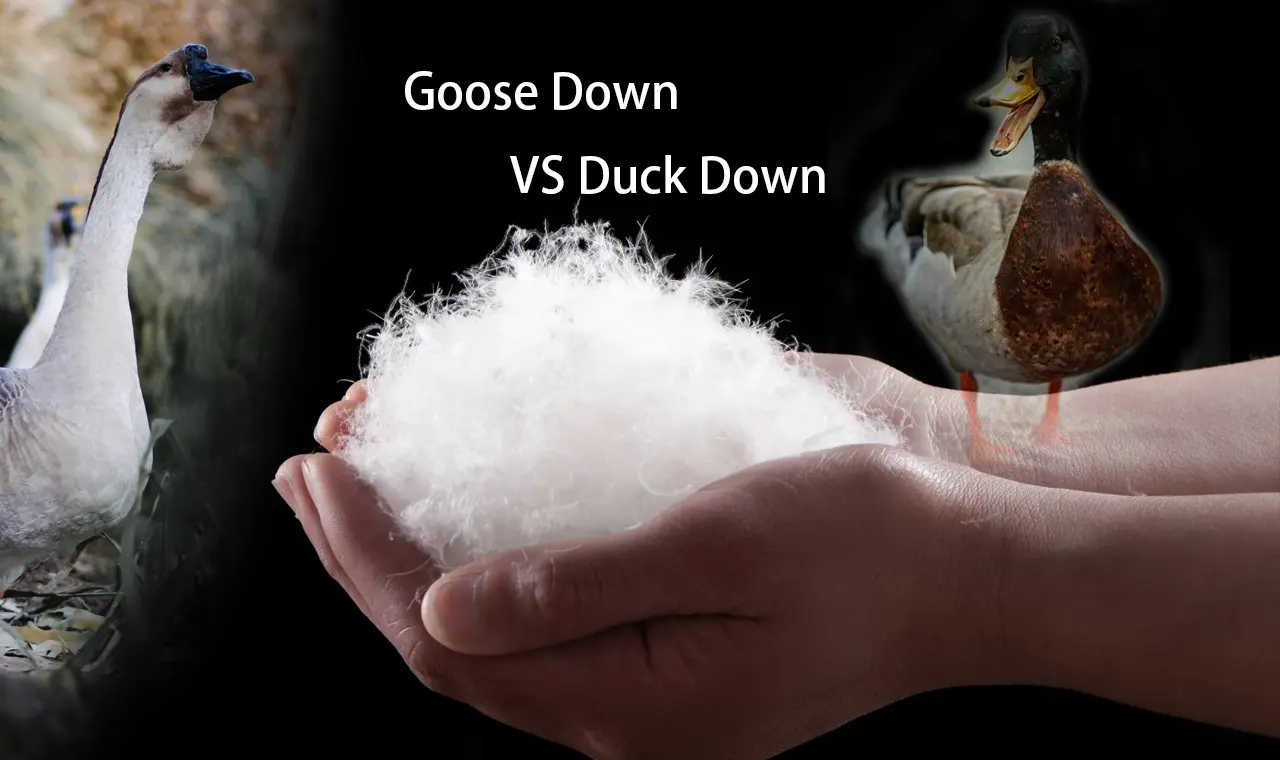
When shopping for a new comforter, quilt, or duvet, you’ll often see two main types of down filling: goose down and duck down. Both offer warmth and softness, but there are important differences that can impact comfort, durability, and price. So, which is best for your bedding? Let’s dive into the details.
What Is Down?
Down is the soft, fluffy layer found under the outer feathers of ducks and geese. It acts as natural insulation, keeping birds warm in cold environments. In bedding, down is prized for its ability to trap heat while remaining lightweight and breathable.
Goose Down: The Premium Choice
Pros:
- Larger Clusters: Geese are generally bigger than ducks, so their down clusters are larger. This means greater loft (fluffiness) and better insulation.
- Higher Fill Power: Goose down typically has a higher fill power (a measure of loft and insulating ability), making it warmer and lighter for the same weight.
- Softer and More Durable: Goose down is often softer and tends to last longer.
Cons:
- Higher Price: Due to its superior qualities and limited supply, goose down is more expensive.
- Availability: High-quality goose down is less common, especially from mature geese.
Duck Down: The Practical Alternative
Pros:
- Affordable: Duck down is more widely available and costs less than goose down.
- Good Insulation: High-quality duck down can still provide excellent warmth and comfort, especially at higher fill powers.
Cons:
- Smaller Clusters: Duck down clusters are usually smaller, leading to less loft and insulation compared to goose down.
- Slight Odor: Duck down may have a faint odor, especially if not processed thoroughly, though most people don’t notice this in finished products.
- Slightly Less Durable: Duck down may not last as long as goose down, especially in lower-quality products.
Fill Power: The Key to Warmth
Whether you choose goose or duck down, fill power is crucial. Fill power measures how much space one ounce of down occupies—the higher the number, the better the insulation and fluffiness.
- 400-500: Good for summer or lightweight comforters.
- 500-700: Suitable for most climates and year-round use.
- 700+: Premium warmth and loft, perfect for colder environments.
Goose down usually comes in higher fill powers, but some premium duck down products can also reach impressive numbers.
Which Should You Choose?
Choose Goose Down If:
- You want the highest warmth-to-weight ratio.
- You prefer a super soft, luxurious feel.
- Durability and longevity are important.
- Budget is not a major concern.
Choose Duck Down If:
- You want good quality at a lower price.
- You don’t need extreme warmth or live in a milder climate.
- You’re looking for everyday comfort without breaking the bank.
Ethical and Quality Considerations
- Look for Responsible Sourcing: Choose products certified by organizations like the Responsible Down Standard (RDS) to ensure humane treatment of animals.
- Check for Allergies: Both goose and duck down can be hypoallergenic if properly cleaned, but always check product details if you have sensitivities.
Conclusion
Both goose down and duck down offer cozy, insulating comfort for your comforter, quilt, or duvet. Goose down is the luxury choice—lighter, warmer, and more durable—while duck down provides excellent value and comfort for most people. Ultimately, the best option depends on your personal preferences, budget, and climate.
Ready to snuggle up? Choose the down that fits your needs, and enjoy a restful night’s sleep!