

Debunking the Allergy Myth: Is Down Bedding Safe for Allergy Sufferers?
For years, many people have believed that down bedding—comforters, pillows, and duvets filled with goose or duck down—is a bad choice for those with allergies. But is this really true? Or is it just a long-standing myth? Let’s take a closer look at the facts about down bedding and allergies, and see whether you need to avoid down if you’re prone to sneezing and sniffles.
The Origins of the Myth
The idea that down bedding causes allergies likely began decades ago, when down products weren’t cleaned as thoroughly as they are today. Dust, dirt, and natural oils left in the down could trigger allergic reactions. However, modern cleaning and processing techniques have changed the game.
What Actually Causes Allergies?
Most people who experience “allergies” with bedding aren’t reacting to the down itself. Instead, they’re reacting to:
- Dust mites: Microscopic creatures that thrive in warm, humid bedding.
- Mold and mildew: Can develop in bedding that isn’t kept dry.
- Feather fragments and impurities: In poorly processed down.
Modern Down Processing: Much Cleaner
Today’s reputable down products undergo rigorous cleaning processes to remove dust, dander, and oils. High-quality down is washed multiple times, making it much less likely to trigger allergies. In fact, studies have shown that well-cleaned down bedding can be as hypoallergenic as synthetic alternatives.
Down vs. Down Alternative
Down Alternative:
- Made from synthetic fibers (like polyester).
- Naturally resistant to dust mites.
- Good for those with severe allergies or vegan preferences.
Down:
- Natural, breathable, and long-lasting.
- When properly cleaned, can be hypoallergenic.
- Feels lighter and often more luxurious than synthetic fills.
What Should Allergy Sufferers Look For?
- Hypoallergenic Label: Choose down bedding labeled “hypoallergenic,” which means it’s been specially cleaned to reduce allergens.
- High-Quality Shell: A tightly woven cotton or microfiber cover keeps dust mites out and down in.
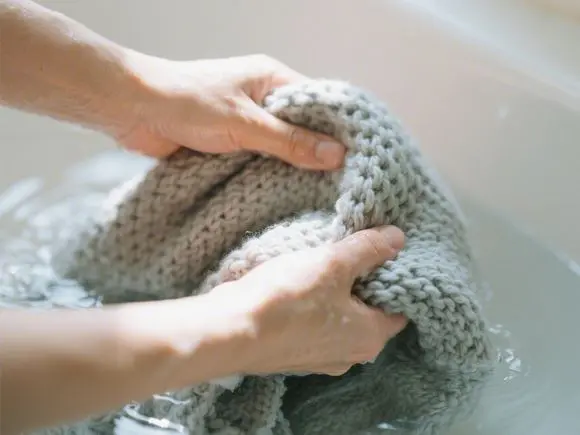
- Regular Cleaning: Wash covers and air out your bedding regularly to reduce dust mites and moisture.
- Certifications: Look for products certified by organizations like the Responsible Down Standard (RDS) or Oeko-Tex.
Tips for Allergy-Friendly Bedding
- Use an allergy-proof cover on your pillow and comforter.
- Wash bedding in hot water (at least 130°F/54°C) to kill dust mites.
- Air out your comforter and pillows regularly in sunlight.
- Replace bedding every few years, as even the best products can accumulate allergens over time.
The Bottom Line
Down bedding is not automatically off-limits for allergy sufferers. With modern cleaning methods and proper care, high-quality down comforters and pillows can be a safe, comfortable choice—even for those with sensitivities. If you love the feel of down, look for hypoallergenic options and maintain your bedding well.
Don’t let myths keep you from enjoying a cozy night’s sleep!