

The Best Insulating Materials for Comforters and Duvets: Pros, Cons, and What to Look For
Choosing the right insulating material for your comforter or duvet is crucial for a good night’s sleep. The fill determines not only how warm and cozy your bedding will be but also its breathability, durability, weight, and even how easy it is to care for. With so many options available, it can be overwhelming to decide which material is best for you. Here’s a breakdown of the most popular insulating materials, their pros and cons, and tips on what to look for when shopping.
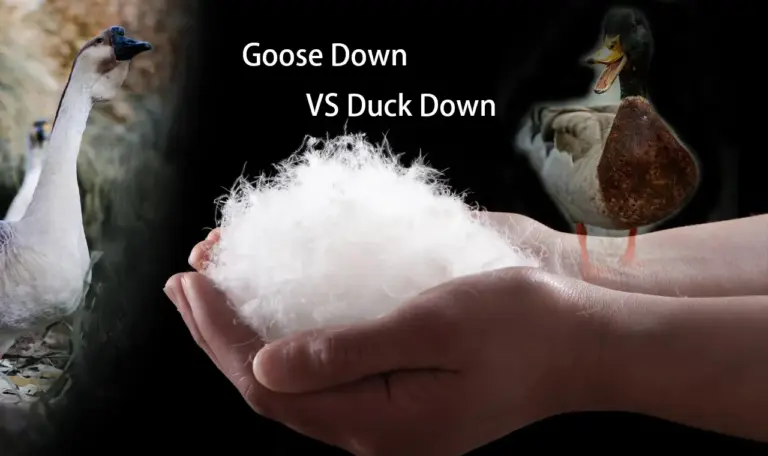
1. Goose Down
Pros:
- Exceptional warmth-to-weight ratio
- High loft, making comforters fluffy and luxurious
- Long-lasting and durable
- Breathable and moisture-wicking
Cons:
- Expensive
- May trigger allergies if not properly cleaned
- Requires special care (usually dry clean)
- Ethical concerns if not responsibly sourced
Best for:
Those seeking ultimate luxury, warmth, and lightweight bedding.
2. Duck Down
Pros:
- Good warmth and loft, though slightly less than goose down
- More affordable than goose down
- Lightweight and comfortable
Cons:
- Smaller clusters mean less insulation per ounce
- Can have a slight odor
- Durability and softness may be lower than goose down
Best for:
Budget-conscious shoppers who still want the benefits of natural down.
3. Down Alternative (Synthetic Fill)
Pros:
- Hypoallergenic and suitable for sensitive sleepers
- Affordable
- Easy to care for (machine washable)
- Good insulation with modern microfiber technology
Cons:
- Heavier than natural down for the same warmth
- May lose loft and shape over time
- Less breathable, can trap heat and moisture
Best for:
Allergy sufferers, vegans, or anyone looking for an easy-care, affordable option.
4. Wool
Pros:
- Excellent temperature regulation—keeps you warm in winter and cool in summer
- Naturally hypoallergenic and resistant to dust mites
- Moisture-wicking and breathable
Cons:
- Heavier than down or synthetic options
- Can feel less fluffy
- More expensive than most synthetic fills
Best for:
Those who want natural temperature regulation and have allergies.
5. Silk
Pros:
- Lightweight and luxurious
- Naturally hypoallergenic
- Good temperature regulation
Cons:
- Expensive
- Requires delicate care
- Less loft and fluffiness than down
Best for:
Hot sleepers and those with sensitive skin seeking a touch of luxury.
6. Cotton
Pros:
- Natural and breathable
- Lightweight
- Hypoallergenic
Cons:
- Not as warm as down or wool
- Can clump and lose shape over time
- Less insulating for cold climates
Best for:
Warm climates, summer use, or anyone who prefers natural fibers.
What to Look For When Choosing Insulating Materials
- Fill Power (for down): A higher fill power means better insulation and fluffiness.
- Fill Weight: The total weight of the filling—more weight generally means more warmth.
- Baffle Box Construction: Prevents fill from shifting and ensures even warmth.
- Certifications: Look for Responsible Down Standard (RDS), OEKO-TEX, or other eco-friendly and ethical certifications.
- Allergy Considerations: If you’re allergic, opt for hypoallergenic fills or down alternatives.
- Care Instructions: Make sure you’re comfortable with the cleaning and maintenance required.
Conclusion
The best insulating material for your comforter or duvet depends on your personal preferences, budget, and climate. Goose down offers unmatched warmth and luxury, while down alternative is great for allergies and easy care. Wool and silk provide natural, breathable options, and cotton is ideal for light warmth. Consider the pros and cons of each material, and use our tips to find the perfect bedding for your needs.
Ready to upgrade your sleep? Choose the right fill, and enjoy cozy comfort all year round!