

Exploring Lyocell Fabric: A Sustainable Choice for Modern Textiles
In the evolving landscape of textile materials, Lyocell has emerged as a standout option for those seeking sustainability without compromising on quality. Known for its softness, durability, and eco-friendly production, Lyocell is increasingly favored in various applications, from fashion to home textiles.
What Is Lyocell?
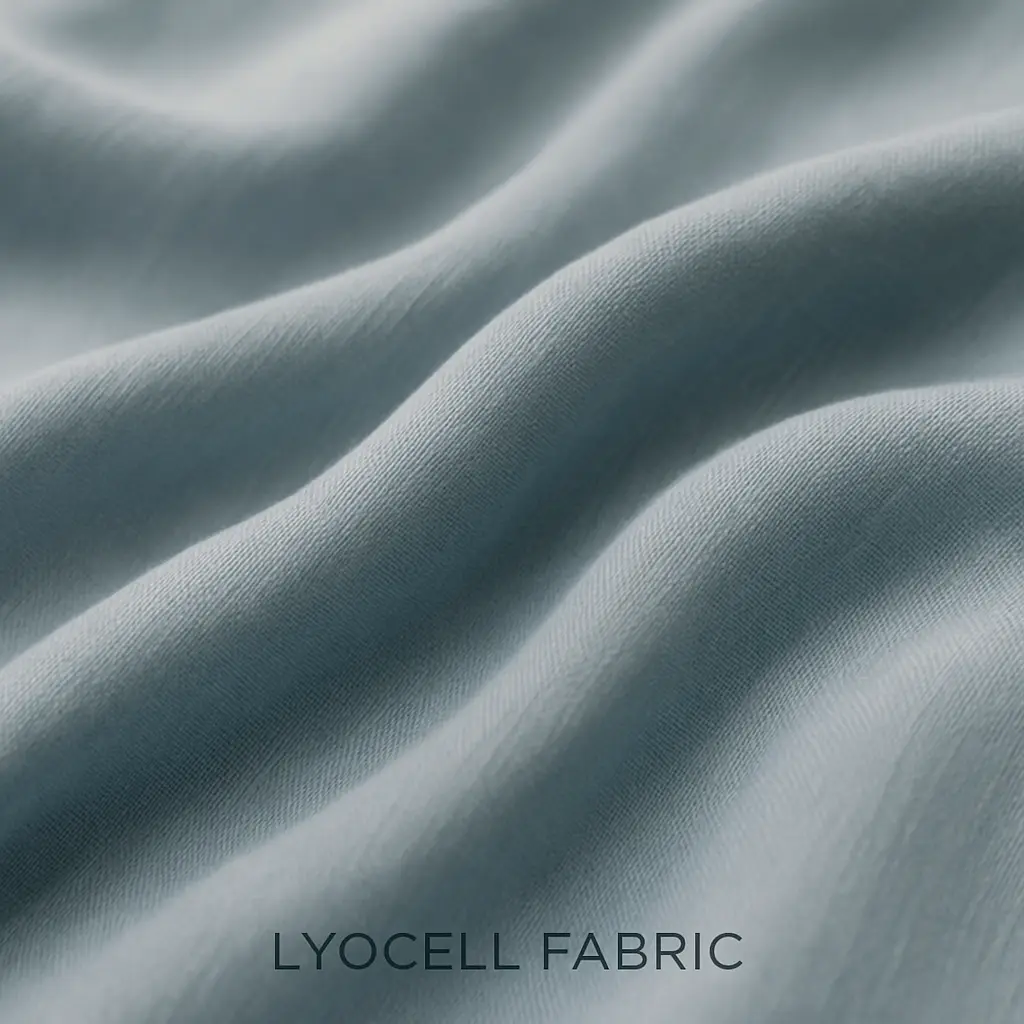
Lyocell is a semi-synthetic fiber derived from cellulose, primarily sourced from wood pulp of trees like eucalyptus, beech, and spruce. Unlike traditional rayon, Lyocell is produced using a closed-loop process that recycles water and solvents, minimizing environmental impact.
Key Properties of Lyocell
- Softness and Comfort: Lyocell boasts a smooth, silky texture, making it gentle on the skin and ideal for sensitive individuals.
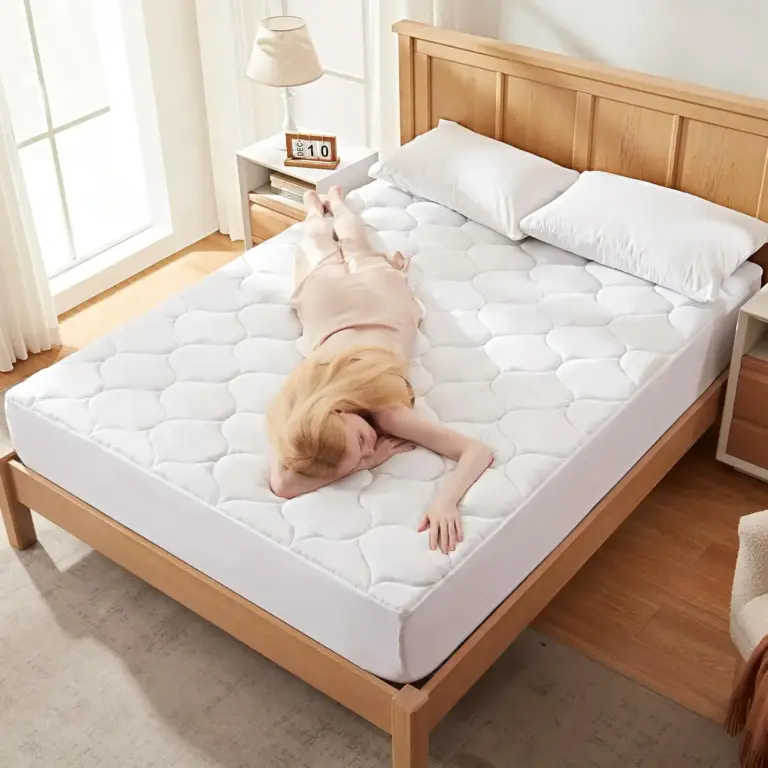
- Moisture Management: Its excellent moisture-wicking capabilities keep the fabric dry and comfortable, suitable for activewear and bedding.
- Breathability: The fiber’s structure allows for optimal airflow, enhancing comfort in various climates.
- Strength and Durability: Lyocell maintains its strength both when dry and wet, ensuring longevity in products.
- Hypoallergenic: Its natural origin and gentle processing make it less likely to cause allergic reactions.
Sustainable Production Process
The production of Lyocell involves dissolving wood pulp in a non-toxic solvent called N-methylmorpholine N-oxide (NMMO). This solution is then extruded through spinnerets to form fibers, which are subsequently washed and dried. The closed-loop system recovers and reuses approximately 99% of the solvent, significantly reducing environmental waste.
Applications of Lyocell
Lyocell’s versatility lends itself to a wide range of products:
- Apparel: Dresses, shirts, and activewear benefit from its comfort and moisture management.
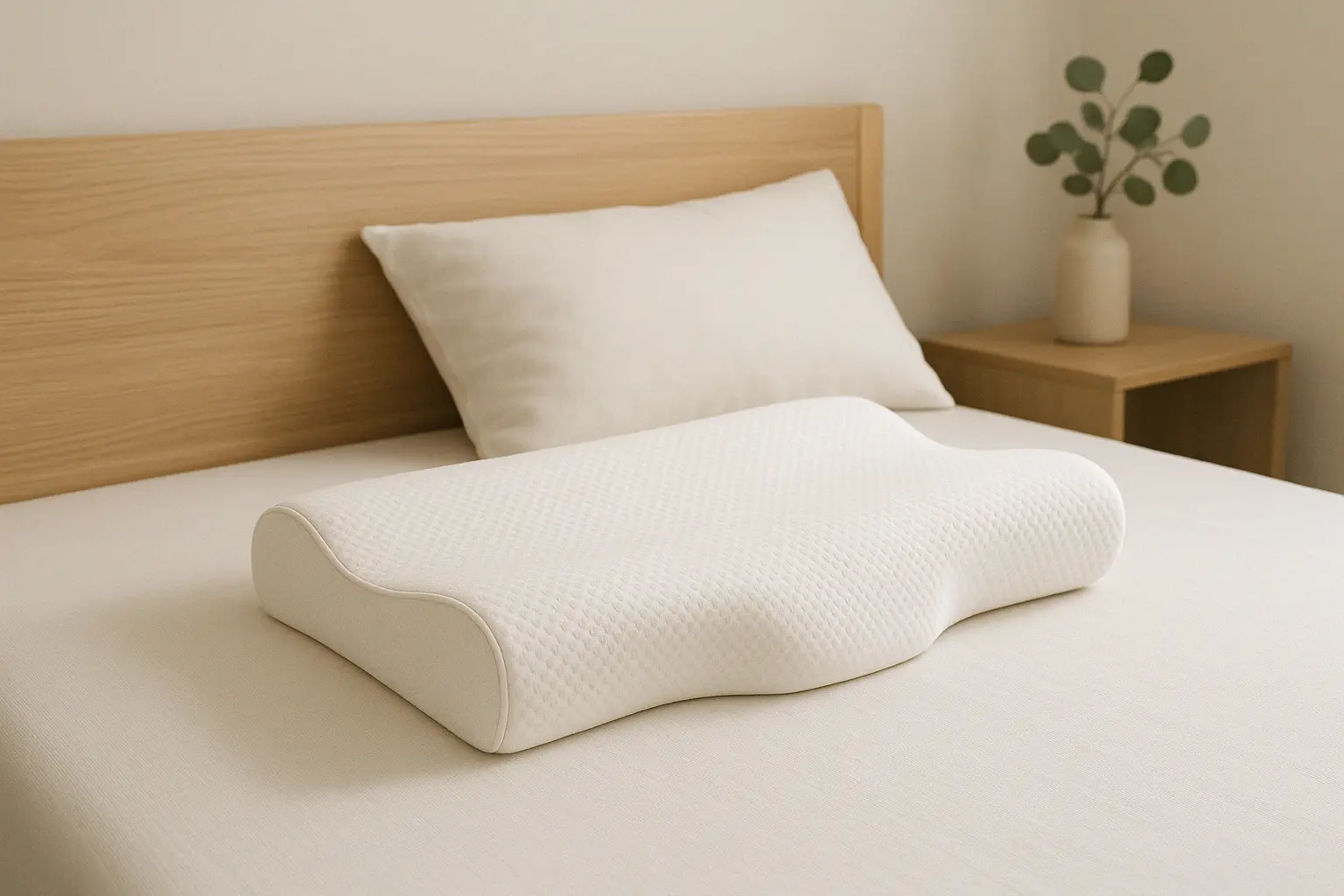
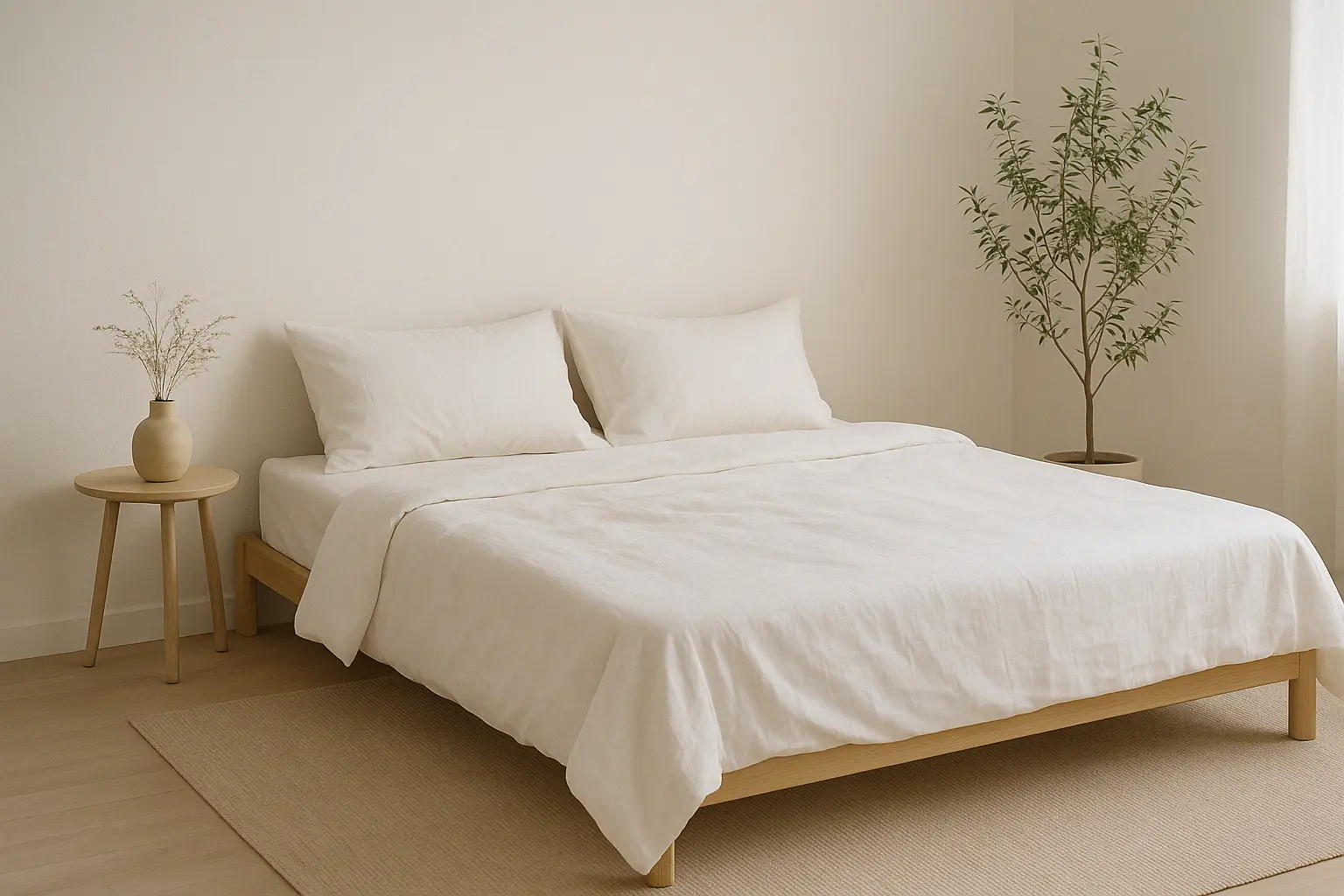
- Home Textiles: Bedsheets, pillowcases, and curtains utilize its softness and durability.
- Medical Textiles: Its hypoallergenic properties make it suitable for bandages and surgical gowns.
- Industrial Uses: Employed in filtration systems and automotive textiles due to its strength and uniformity.
Care and Maintenance
Maintaining Lyocell products is straightforward:
- Washing: Machine wash on a gentle cycle with mild detergent.
- Drying: Prefer air drying or tumble dry on low heat to preserve fabric integrity.
- Ironing: If necessary, iron on a low setting to remove wrinkles.
Conclusion
Lyocell fabric represents a harmonious blend of comfort, durability, and environmental responsibility. Its unique properties and sustainable production make it a preferred choice for modern textile applications. As the demand for eco-friendly materials grows, Lyocell stands out as a fabric that meets both consumer expectations and environmental standards.