
Choosing the right duvet cover material thread count and key standards
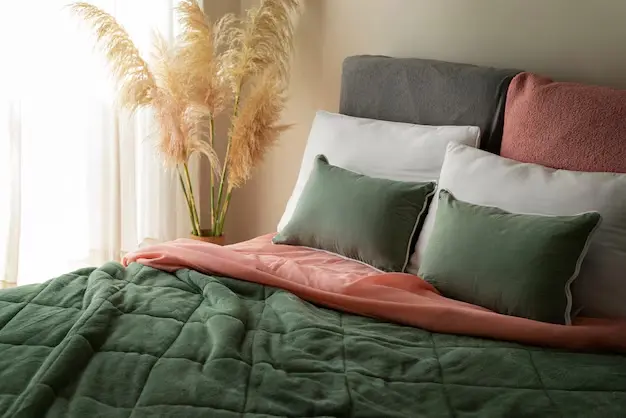
When it comes to creating a comfortable and stylish bedroom, the duvet cover you choose plays a significant role. Not only does it protect your duvet insert, but it also sets the tone for your room’s décor and affects your sleeping experience. With so many options available, how do you pick the perfect duvet cover? In this post, we’ll break down the essential factors: material, thread count, and key quality standards.
1. Duvet Cover Materials: What’s Best for You?
The material of your duvet cover determines its feel, breathability, durability, and ease of care. Here are the most popular options:
Cotton
- Pros: Soft, breathable, durable, and easy to wash.
- Types: Egyptian cotton (luxurious, long fibers), Pima cotton (soft and strong), and regular cotton.
- Best for: All seasons and most sleepers.
Linen
- Pros: Highly breathable, moisture-wicking, and naturally textured.
- Cons: Can feel rough at first and wrinkles easily.
- Best for: Hot sleepers and summer use.
Microfiber/Polyester
- Pros: Affordable, wrinkle-resistant, and easy to care for.
- Cons: Less breathable than natural fibers.
- Best for: Budget-conscious shoppers and those who want low maintenance.
Bamboo
- Pros: Silky-soft, eco-friendly, and excellent moisture-wicking.
- Cons: Can be more expensive and may require gentle care.
- Best for: Sensitive skin and eco-conscious buyers.
Silk
- Pros: Luxurious, hypoallergenic, and smooth.
- Cons: Expensive and requires delicate care.
- Best for: Luxury seekers and allergy sufferers.
2. Understanding Thread Count
Thread count refers to the number of threads woven into one square inch of fabric. While many believe higher thread count always means better quality, that’s not the whole story.
- Standard Range: 200–400 is ideal for most cotton duvet covers.
- Above 400: Can be softer and denser, but may also trap heat and feel less breathable.
- Below 200: May feel rough and less durable.
Tip: Material quality and weave are just as important as thread count. For example, a 300-thread-count Egyptian cotton cover can feel more luxurious than a 600-thread-count regular cotton cover.
3. Key Quality Standards to Look For
OEKO-TEX® Certification
Ensures the fabric has been tested for harmful substances and is safe for human use.
GOTS (Global Organic Textile Standard)
Guarantees that the product is made from organic fibers and meets strict environmental and social criteria.
Easy Care Features
Look for duvet covers that are machine washable, colorfast, and have strong closures (like zippers or buttons).
Fit and Construction
Make sure the duvet cover fits your insert snugly and has corner ties or loops to prevent shifting.
4. Quick Tips for Choosing Your Duvet Cover
- Consider your climate: Choose linen or bamboo for hot climates, and cotton or flannel for cooler seasons.
- Match your style: Pick colors and patterns that complement your bedroom décor.
- Test for comfort: If possible, feel the fabric before buying or order a sample.
- Check return policies: Especially when shopping online, in case the cover doesn’t meet your expectations.
Conclusion
Choosing the right duvet cover involves more than just picking a pretty pattern. By understanding materials, thread count, and key quality standards, you can invest in bedding that enhances your comfort and lasts for years. Sweet dreams!